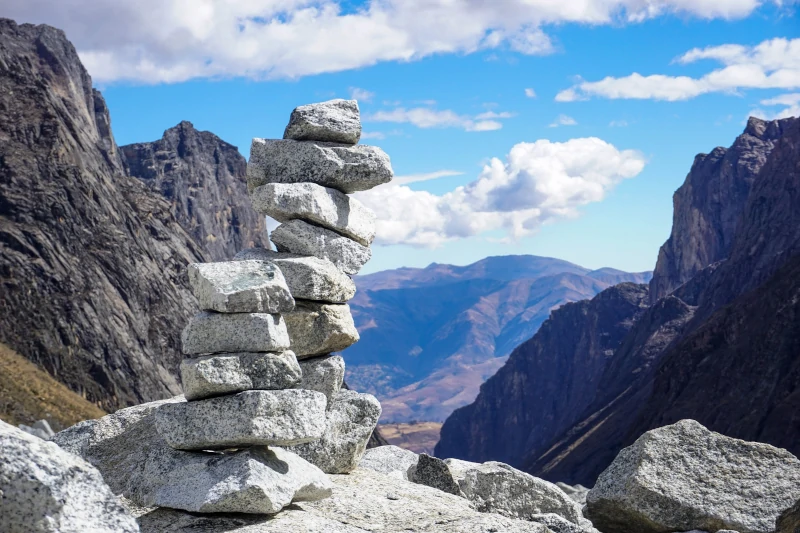
Embark on a journey of discovery and adventure as you traverse the ancient pathways of the Andean highlands. This Inca Trail guide provides an in-depth exploration of the majestic trails that once served as the backbone of the mighty Inca Empire.
From the classic Inca Trail, which culminates at the awe-inspiring citadel of Machu Picchu, to lesser-known routes that weave through remote valleys and hidden ruins, this guide offers invaluable insights and expert advice to help you navigate the rugged landscapes and rich cultural history of Peru.
Unraveling the mysteries of the Inca Trail: History, preparation, and permits
The Inca Trail is a legendary route steeped in history and natural beauty. Once a vital network connecting the Inca Empire, it now attracts hikers from around the world. The trail winds through lush forests, sub-tropical jungles, and majestic mountain passes. Along the way, ancient ruins provide glimpses into a fascinating past.
However, before embarking on your journey, proper preparation is crucial. First, research the best time to go. The dry season (May-November) offers optimal conditions, but also draws more crowds.
Physical fitness is important for conquering the trail’s challenges. Thus, regular exercise, including cardiovascular and strength training, will ensure you’re ready for the trek. Focus on endurance, leg strength, and balance exercises to improve your stamina and stability.
Acquiring permits for the Inca Trail is a critical step. Due to environmental concerns, the Peruvian government limits access to 500 permits per day. This includes hikers, guides, and porters. Thus, it’s essential to book your permits well in advance, sometimes up to six months or more.
To obtain a permit, you must book through a licensed tour operator. The Peruvian government regulates these operators to ensure the trail’s preservation. Conduct thorough research and choose a reputable company, as your experience will largely depend on their expertise and professionalism.
In addition to permits, there are some other necessary documents. A valid passport is required for entry into Peru, and it must match the information on your permit. Also, consider purchasing travel insurance to cover unforeseen circumstances, such as illness or injury.
By understanding the Inca Trail’s history, adequately preparing, and obtaining the required permits, you’ll be well on your way to an unforgettable adventure. Stay tuned for our next section, where we explore alternative routes to Machu Picchu.
Exploring alternative routes to Machu Picchu
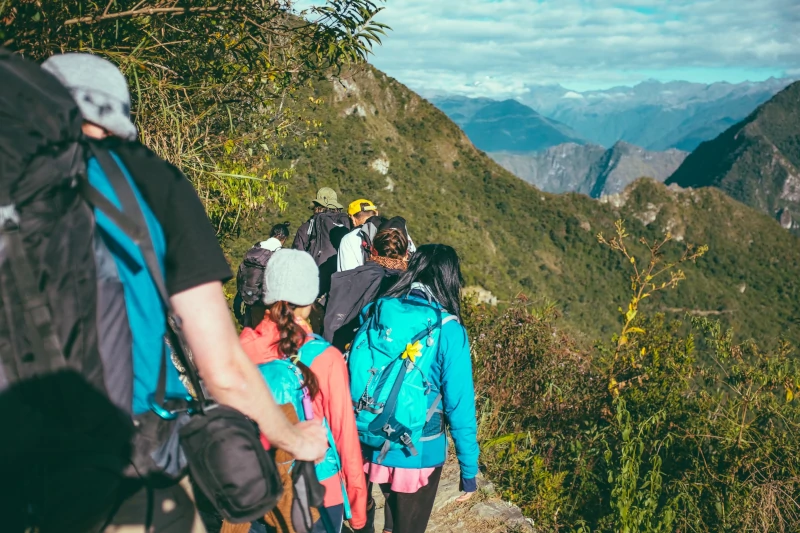
While the Inca Trail is the most famous route to Machu Picchu, alternative paths offer unique experiences and less-crowded adventures. Here, we present three alternative routes that showcase Peru’s diverse landscapes and rich history.
- Salkantay Trek: This 5-day trek covers 74 km (46 miles) and is renowned for its stunning vistas. The journey begins in the town of Mollepata and traverses the breathtaking Salkantay Pass, which sits at an altitude of 4,600 meters (15,091 feet). Along the way, you’ll witness snow-capped mountains, turquoise lakes, and lush jungles. The Salkantay Trek is perfect for those seeking a challenging hike without the permit restrictions of the Inca Trail.
- Lares Trek: This 3 to 4-day trek offers an authentic cultural experience, as it winds through remote Andean communities. Starting near the town of Lares, the 33 km (20 miles) route passes traditional villages, where you can interact with locals and learn about their way of life. The trek culminates at the town of Ollantaytambo, from where you can take a train to Aguas Calientes, the gateway to Machu Picchu.
- Choquequirao Trek: This 4 days trek spans 101 km (63 miles) and takes you to the lesser-known Inca ruins of Choquequirao. Due to its remote location and challenging terrain, this trail sees far fewer visitors than other routes. The trek begins in the village of Cachora and offers stunning views of the Apurimac River and lush cloud forests. After exploring Choquequirao, the trail continues towards Machu Picchu, providing a unique experience.
Each alternative route boasts distinct advantages, from picturesque landscapes to immersive cultural encounters. Whichever path you choose, prepare for a memorable journey through the heart of the Andean highlands. However, remember to always prioritize safety, acclimatize properly, and practice responsible travel to ensure a fulfilling and unforgettable experience.
Essential tips for a successful trek
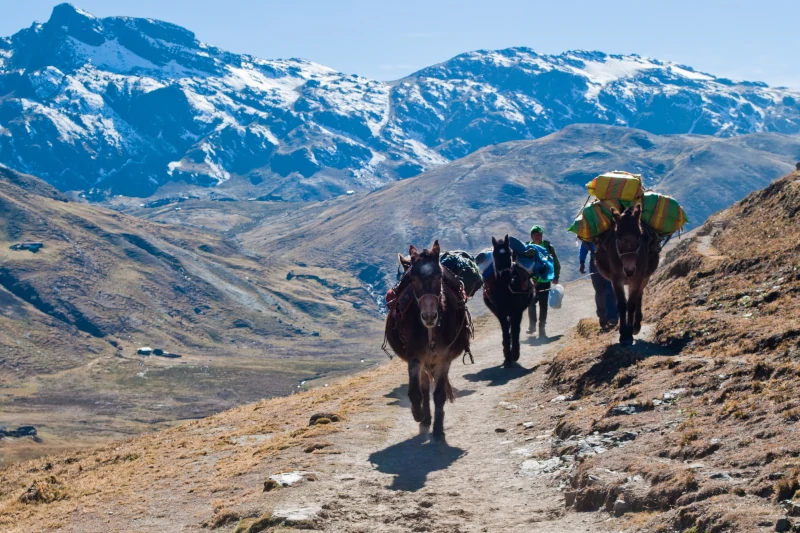
Acclimatization, safety, and responsible travel are essential components of a successful trek through the Andean highlands. By following these tips, you’ll maximize your enjoyment and minimize potential risks.
Acclimatization is vital to prevent altitude sickness, which can occur above 2,500 meters. Arrive in Cusco a few days before your trek to allow your body to adjust. During this time, avoid alcohol and caffeine, and stay well-hydrated. If symptoms like headaches or nausea persist, consult a doctor for treatment options.
Additionally, safety is paramount on any trek. Always follow your guide’s instructions and stay on designated paths. Carry a first aid kit and ensure you have essential items like sunscreen, insect repellent, and appropriate clothing for various weather conditions. Also, a sturdy pair of hiking boots is crucial for tackling the rough terrain.
Furthermore, practicing responsible travel is a must to preserve Peru’s natural and cultural heritage. Adhere to the principles of Leave No Trace by properly disposing of waste and respecting flora and fauna. Support local communities by hiring local guides, purchasing souvenirs directly from artisans, and learning about their customs and traditions.
As you plan your Peruvian adventure, consider exploring other hidden gems like Waqrapukara and Vinicunca Rainbow Mountain. Waqrapukara, an impressive archaeological site, is nestled within a remote canyon and offers a fascinating glimpse into Inca history. Vinicunca, also known as Rainbow Mountain, boasts a colorful landscape due to its unique mineral composition.