
Visiting Machu Picchu during the rainy season can raise a few concerns. Many travelers imagine a citadel covered in thick fog, muddy trails, slippery stone steps, and possible transportation disruptions. However, traveling during these months does not necessarily mean having a bad experience.
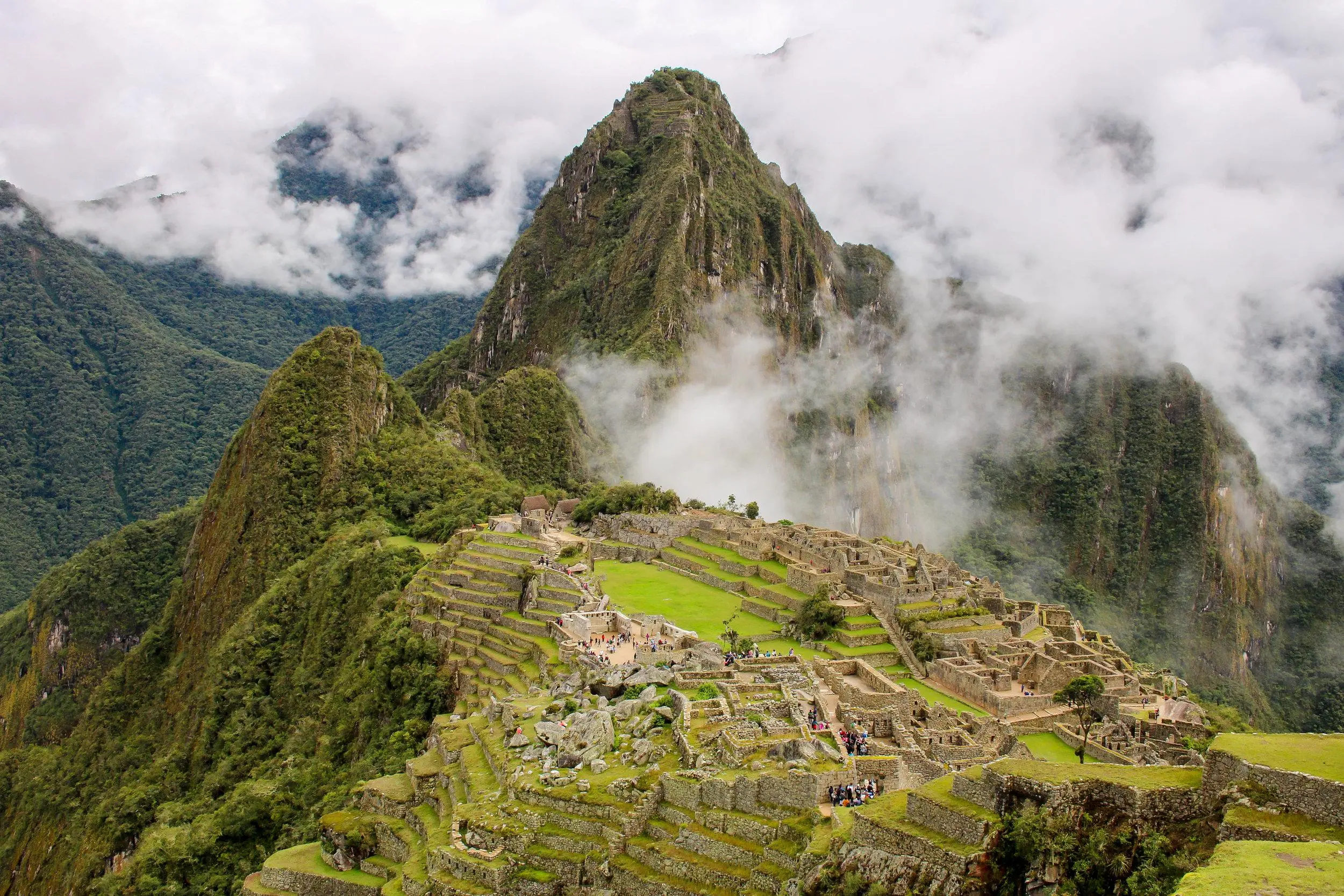
The rainy season also transforms the landscape. The surrounding mountains become greener, vegetation grows more abundantly, and passing clouds create spectacular natural scenery around the ancient Inca citadel.
Still, there are some disadvantages you should understand before planning your trip. Heavy rainfall can affect certain trekking routes, make transportation more challenging, and temporarily limit panoramic views.
In this guide, we explain what Machu Picchu is really like during the rainy season, which months are the wettest, what activities you can enjoy, which precautions to take, and what type of traveler may benefit most from visiting during this time.
If you are still deciding when to travel, read our guide to the [best time to visit Machu Picchu].
When Is the Rainy Season in Machu Picchu?
The rainy season in Machu Picchu generally runs from November through March. According to Peru’s National Service of Natural Protected Areas (SERNANP), this is the wet season in the Historic Sanctuary of Machu Picchu.
During these months, rainfall becomes more frequent, humidity increases, and cloudy conditions are more common. However, weather conditions can vary considerably from one day to another.
In general, the region has two main seasons:
- Dry season (April to October): Rainfall is generally lower, making this period more favorable for hiking and enjoying panoramic views.
- Rainy season (November to March): Characterized by more frequent rainfall, higher humidity, abundant vegetation, and cloud-covered landscapes.
April and October are considered transitional months. Conditions can vary, so it is not accurate to classify them as completely dry or rainy.
You should also remember that Machu Picchu is located in a humid montane forest environment, where mist and sudden weather changes can occur throughout the year.
Does Machu Picchu Close During the Rainy Season?
No. Machu Picchu does not have an annual closure during the rainy season. The archaeological site welcomes visitors throughout the year, provided that safety conditions allow access.
It is important to distinguish between three different situations:
1. Machu Picchu Archaeological Site
The main archaeological site remains open during the rainy months. Visitors can explore the designated circuits with their corresponding entrance tickets.
2. The Inca Trail
The Inca Trail network closes throughout February for maintenance, conservation, and rehabilitation work.
This closure affects the traditional two-day and four-day Inca Trail trekking routes. The trails generally reopen on March 1, following the completion of maintenance work and safety assessments.
For example, Peru’s Ministry of Culture confirmed that the Inca Trail network reopened on March 1, 2026, after the scheduled February maintenance period.
3. Mountain Trails and Other Access Routes
Routes such as Huayna Picchu and other mountain options may operate during certain rainy-season months. However, availability depends on safety conditions, the operating calendar, and ticket availability.
Before purchasing your ticket, check the official Ministry of Culture ticketing platform.
Advantages of Visiting Machu Picchu During the Rainy Season
Although many travelers prefer the dry season, visiting Machu Picchu during the rainy months also has several advantages.
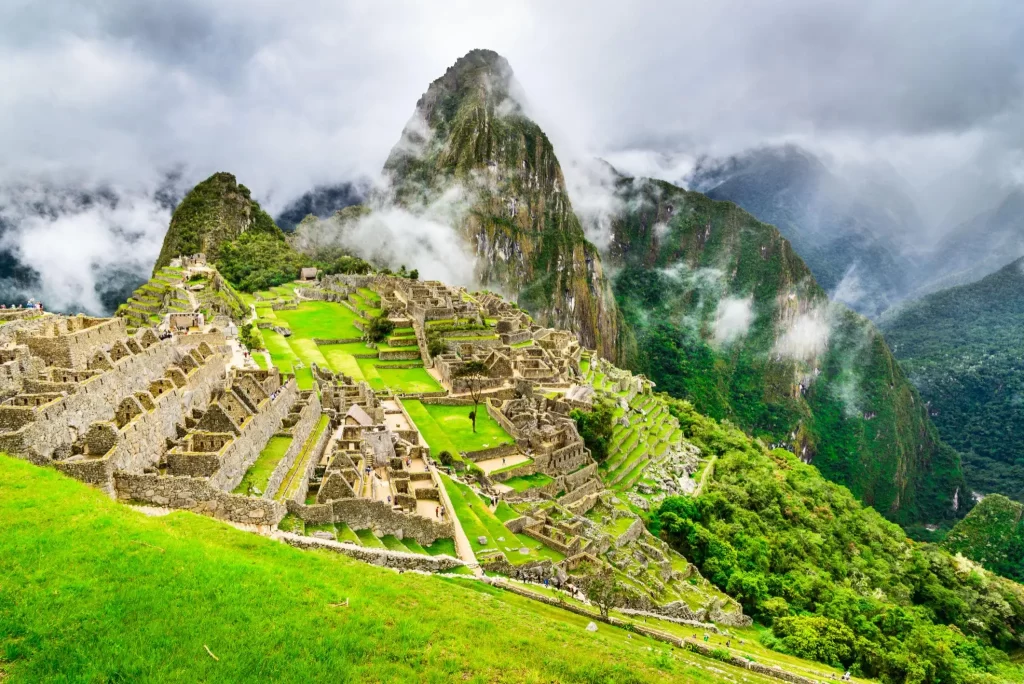
1. Greener Landscapes and Lush Vegetation
One of the biggest advantages of visiting during the rainy season is the scenery.
Rainfall encourages vegetation growth, keeping the agricultural terraces, surrounding mountains, and areas around the citadel green and vibrant.
It is an interesting time for nature photographers and travelers who want to experience the Historic Sanctuary with a different appearance from the dry months.
2. Beautiful Photography Opportunities With Mist and Clouds
During the wet season, clouds and mist can cover parts of the mountains surrounding Machu Picchu.
This creates unique photographic opportunities. Some Inca structures appear between passing clouds, while the landscape takes on a distinctive atmosphere.
However, keep in mind that cloud cover can also temporarily block panoramic views.
3. Potentially Fewer Crowds
The rainy season generally experiences lower tourist demand than the busiest months, particularly June, July, and August.
This can mean a more relaxed experience at certain times and on specific dates.
However, it does not mean that you will find the archaeological site empty. Visitor numbers depend on the calendar, holidays, vacation periods, and ticket availability.
4. Potential Accommodation and Tour Deals
Some hotels, restaurants, and tour operators may offer promotions during periods of lower demand.
This can help travelers organize their trips with a more flexible budget.
However, not every service becomes cheaper. Entrance tickets and train services have their own fares and conditions, so it is always worth comparing prices before booking.
5. A Different Experience in the Historic Sanctuary
Machu Picchu does not look exactly the same throughout the year.
During the wet months, the combination of abundant vegetation, cloud-covered mountains, and higher humidity offers a different perspective of the natural surroundings.
For travelers who have already visited during the dry season, returning in the rainy season can be an interesting experience.
Disadvantages and Risks of Visiting Machu Picchu During the Rainy Season
There are also some disadvantages to consider before choosing these travel dates.
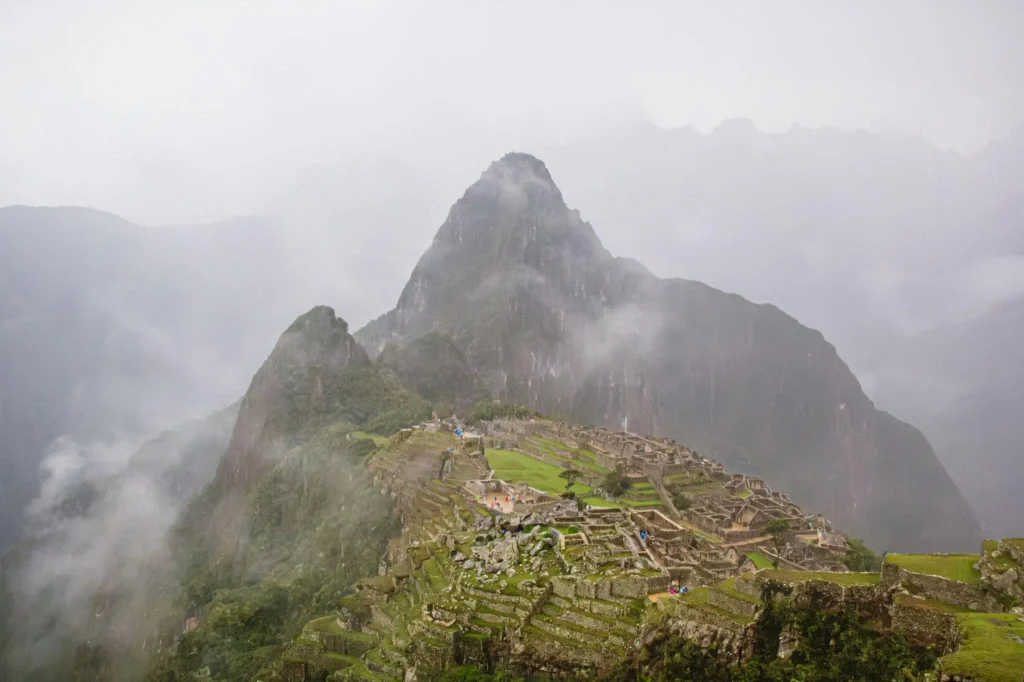
1. Fog Can Obstruct the Views
One of the most common inconveniences is cloudy weather.
You might arrive at Machu Picchu and find the surrounding mountains completely covered in clouds. Sometimes the mist moves away, revealing the citadel and its surroundings. On other occasions, visibility may remain limited for much of your visit.
There is no specific time of day that guarantees clear skies.
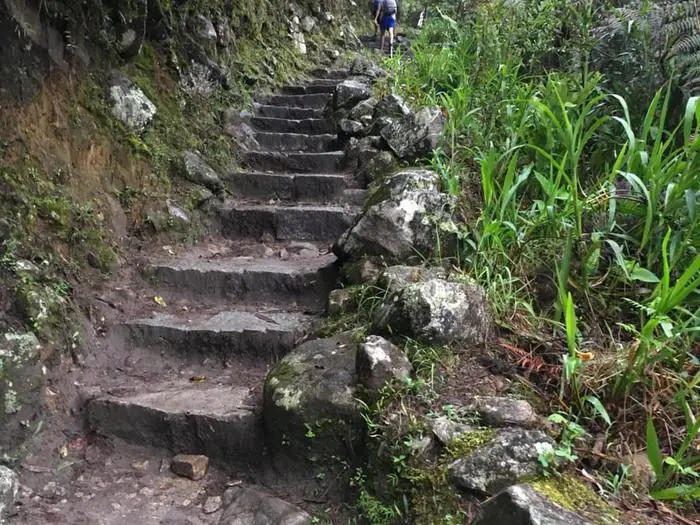
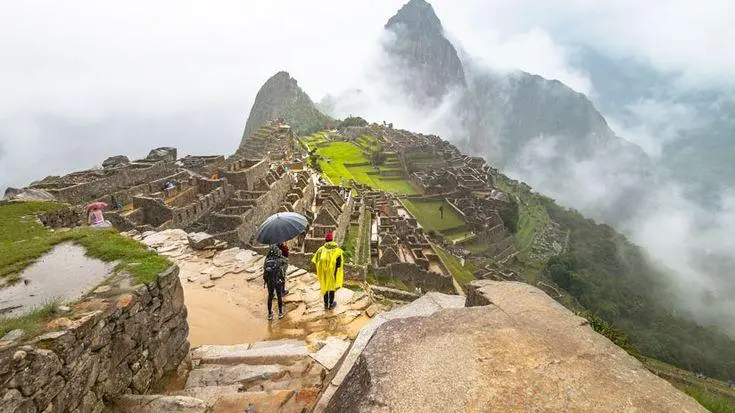
2. Stone Steps Can Become Slippery
Rain makes stone pathways and steps wet, increasing the risk of slipping.
This is especially important in areas with steep staircases and narrow trails.
If you plan to visit Huayna Picchu or hike one of the mountain routes, pay particular attention to ground conditions.
Wear shoes with good traction and avoid rushing along the trails.
3. Possible Train Delays and Service Disruptions
Heavy rainfall can create conditions that affect railway operations.
PeruRail explains that during the rainy season, particularly between January and April, train services may experience operational changes due to preventive closures of certain sections for safety reasons and the risk of landslides.
Under these circumstances, bimodal services may operate, combining road transportation with train travel.
For this reason, it is advisable to check your train service status before departure.
4. Increased Risks Along the Hydroelectric Route
The alternative route through Hidroeléctrica requires extra caution during periods of heavy rainfall.
Landslides, road conditions, and rising river levels can complicate transportation.
Additionally, the walk between Hidroeléctrica and Machu Picchu Pueblo (Aguas Calientes) follows the railway corridor and can become uncomfortable when there is mud, rain, and poor visibility.
If you are unfamiliar with the area or have a tight itinerary, consider traveling by train instead.
5. Trekking Routes Can Become More Challenging
Multi-day hikes require additional preparation during the wet season.
Some of the main challenges include:
- Muddy and slippery trails.
- Higher humidity throughout the hike.
- Possible rises in streams and river levels.
- Increased risk of landslides and falling rocks.
- Greater difficulty keeping clothing and equipment dry.
Routes such as the Salkantay Trek, Inca Jungle, and Choquequirao require particular attention to local conditions.
This does not mean that all these routes close during the rainy season. However, you should consult authorized tour operators and follow local safety recommendations.
6. Less Comfortable Travel Conditions
Wet clothing, damp shoes, and high humidity can make outdoor activities less comfortable.
You will also need to protect your belongings more carefully, especially cameras, smartphones, travel documents, and electronic equipment.
What Is the Rainiest Month to Visit Machu Picchu?
January, February, and March are the months that generally require the most attention because of more frequent and intense rainfall.
February deserves special consideration because, in addition to being part of the wettest period, it coincides with the annual closure of the Inca Trail.
Here is a general overview of what to expect:
| Month | Typical conditions |
|---|---|
| November | Beginning of the rainy season. |
| December | Increasing rainfall. |
| January | Frequent and sometimes heavy rainfall. |
| February | Very rainy month and Inca Trail closure. |
| March | Rain continues, with possible changes toward the end of the month. |
Remember that this table describes general weather patterns, not a daily forecast. Actual conditions can vary depending on the year and weather events.
For updated weather information before your trip, check the official SENAMHI website.
Who Should Visit Machu Picchu During the Rainy Season?
Traveling during these months can be a good decision for certain types of travelers.
Consider visiting during the rainy season if:
- You have a flexible itinerary: You can adjust your transportation or activities if weather-related disruptions occur.
- You enjoy green landscapes: You want to see abundant vegetation and cloud-covered mountains.
- You prefer avoiding peak tourist months: You are looking for dates that generally experience lower visitor demand.
- You are traveling on a budget: You want to compare accommodation deals and tourism service promotions.
- You enjoy nature photography: You appreciate misty landscapes, wet vegetation, and changing light conditions.
Who Should Avoid Visiting During the Rainy Season?
On the other hand, the rainy months may not be the best choice for everyone.
You may want to reconsider these dates if:
- You have a very tight itinerary and cannot change your travel arrangements.
- Your main priority is getting clear-sky photographs.
- You want to complete long treks without experience hiking in wet conditions.
- You are traveling with people who have difficulty walking on uneven or slippery surfaces.
- Your trip depends on hiking the Inca Trail during February.
If your priority is to enjoy more favorable hiking conditions and have better chances of clear skies, consider traveling during the dry season.
How to Prepare for a Machu Picchu Trip During the Rainy Season
Good planning can make a significant difference during your visit.
1. Plan Your Transportation Carefully
If you are traveling from Cusco, check the available train transportation options and their operating conditions.
Keep the following recommendations in mind:
- Check train schedules before booking.
- Find out whether your service operates directly or uses a bimodal transportation system.
- Check for possible operational changes.
- Consider arriving in Machu Picchu Pueblo (Aguas Calientes) one day before your visit if your budget and schedule allow.
- Avoid tight connections between trains, buses, and other transportation services.
You can check train services and travel notices directly through PeruRail or Inca Rail.
2. Choose the Right Machu Picchu Circuit
Before purchasing your entrance ticket, review the available circuits and routes on the official ticketing platform.
Not every circuit offers the same experience or walking conditions.
If your priority is exploring the archaeological site without demanding uphill hikes, consider the alternatives that best suit your physical condition.
Also remember that rain can affect any route, regardless of the circuit you choose.
Read our guide to [Machu Picchu circuits: which one to choose and what each includes].
3. Consider Hiring a Professional Tour Guide
A professional guide can help you better understand the history, architecture, and purpose of Machu Picchu’s different sectors.
A guided visit also allows you to make the most of your experience even when visibility is not ideal.
Remember to book formal tourism services and follow the instructions provided by site staff.
4. Pack Appropriate Rain Gear

Your clothing should allow you to walk comfortably while protecting you from moisture.
We recommend bringing:
- Waterproof poncho or rain jacket.
- Lightweight, quick-drying clothing.
- Hiking shoes with good traction.
- Extra pairs of socks.
- Waterproof backpack cover.
- Waterproof bags for documents and electronic devices.
- Hat or cap.
- Sunscreen.
- Insect repellent.
Avoid wearing excessively heavy clothing that takes a long time to dry.
5. Have a Backup Plan
If weather conditions prevent you from enjoying a particular activity, it is useful to have alternative options.
In Machu Picchu Pueblo, you can consider:
- Visiting the Manuel Chávez Ballón Site Museum, after checking its opening hours.
- Exploring the local handicraft market.
- Visiting the hot springs, depending on operating conditions.
- Enjoying local cuisine.
- Exploring the town and its surroundings when conditions are safe.
You do not need to rely on a single activity to enjoy your trip.
Tips for Visiting Machu Picchu on a Rainy Day
Before entering the archaeological site, keep these recommendations in mind:
- Check the weather forecast and official travel notices.
- Bring a waterproof poncho or rain jacket.
- Protect your camera and smartphone from moisture.
- Walk carefully on wet stone steps.
- Never attempt to enter restricted trails.
- Follow the schedules and routes indicated on your entrance ticket.
- Follow staff instructions if temporary safety restrictions are introduced.
- Be patient if mist temporarily limits visibility.
One additional recommendation: do not plan your entire experience around getting a photograph with perfectly clear skies. Machu Picchu is also an important archaeological and natural heritage site that deserves to be appreciated regardless of the weather.
Common Mistakes When Visiting Machu Picchu During the Rainy Season
Here are some common mistakes you should avoid:
- Traveling in February to hike the Inca Trail: The trail network closes throughout the month for maintenance.
- Not bringing rain protection: Rain can appear even when the day starts with clear skies.
- Planning tight transportation connections: Operational changes can affect travel schedules.
- Choosing the Hydroelectric route without checking conditions: Travel can become more difficult during heavy rainfall.
- Wearing inappropriate footwear: Wet surfaces require shoes with good traction.
- Expecting guaranteed clear views: Cloud cover is part of the natural weather conditions.
- Ignoring official safety notices: Temporary restrictions are introduced to protect visitors.
Frequently Asked Questions About Machu Picchu During the Rainy Season
Is Machu Picchu open all year round?
Yes. The archaeological site welcomes visitors throughout the year, provided that safety conditions allow normal operations. The February closure applies to the Inca Trail, not to the archaeological site itself.
What are the rainiest months in Machu Picchu?
The rainy season runs from November through March. January, February, and March generally experience particularly wet conditions.
Can you visit Machu Picchu in February?
Yes. You can visit the archaeological site during February, but you cannot hike the traditional Inca Trail because the trail network closes for annual maintenance.
Does it rain all day in Machu Picchu?
Not necessarily. Rainfall can occur intermittently or continue for extended periods, depending on weather conditions. There is no fixed schedule that guarantees rain-free hours.
Can you hike the Inca Trail during the rainy season?
Yes, during the months when the trail is open, except February, when the annual maintenance closure takes place. However, trail conditions can be more demanding due to mud, humidity, and rainfall.
Is it dangerous to visit Machu Picchu when it rains?
Not necessarily. You can visit when authorities keep the access routes open and safe. However, you should be careful on slippery surfaces and respect any temporary safety restrictions.
Can you hike Huayna Picchu when it rains?
Access depends on ticket availability and the operating conditions of the route. Rain increases the risk of slipping on steep steps and narrow trails. If authorities restrict access, you must follow their instructions.
Is it cheaper to visit Machu Picchu during the rainy season?
You may find better deals on hotels and certain tourism services during periods of lower demand. However, not all prices decrease, and train fares and entrance tickets should be checked for your specific travel dates.
What should I wear when visiting Machu Picchu in the rain?
We recommend lightweight, quick-drying clothing, a waterproof jacket, a poncho, shoes with good traction, and a rain cover for your backpack.
Can you take photographs of Machu Picchu in the mist?
Yes. Mist can create beautiful photographic opportunities, especially when Inca structures appear between the clouds. However, it can also reduce visibility and temporarily hide the surrounding mountains.
Is Machu Picchu worth visiting during the rainy season?
Yes, it can be worth visiting if you have a flexible itinerary, enjoy green landscapes, and are prepared for changing weather conditions.
If your priority is completing long hikes in more favorable conditions and having better chances of clear skies, the dry season may be a better option.
Conclusion: Do We Recommend Visiting Machu Picchu During the Rainy Season?
Visiting Machu Picchu during the rainy season can be a different and memorable experience. Green landscapes, abundant vegetation, and clouds surrounding the mountains offer a special perspective of the ancient Inca citadel.
However, you should also consider the disadvantages: higher humidity, slippery trails, possible transportation disruptions, and restrictions on certain trekking routes.
Our recommendation is to plan your trip with flexibility, check weather conditions, and choose activities according to the season.
At Machupicchu Luna Tours, we can help you organize your visit, select suitable transportation, and choose the experience that best matches your travel dates and preferences.
Are you planning to visit Machu Picchu during the rainy season? Contact us and let us help you plan your trip.