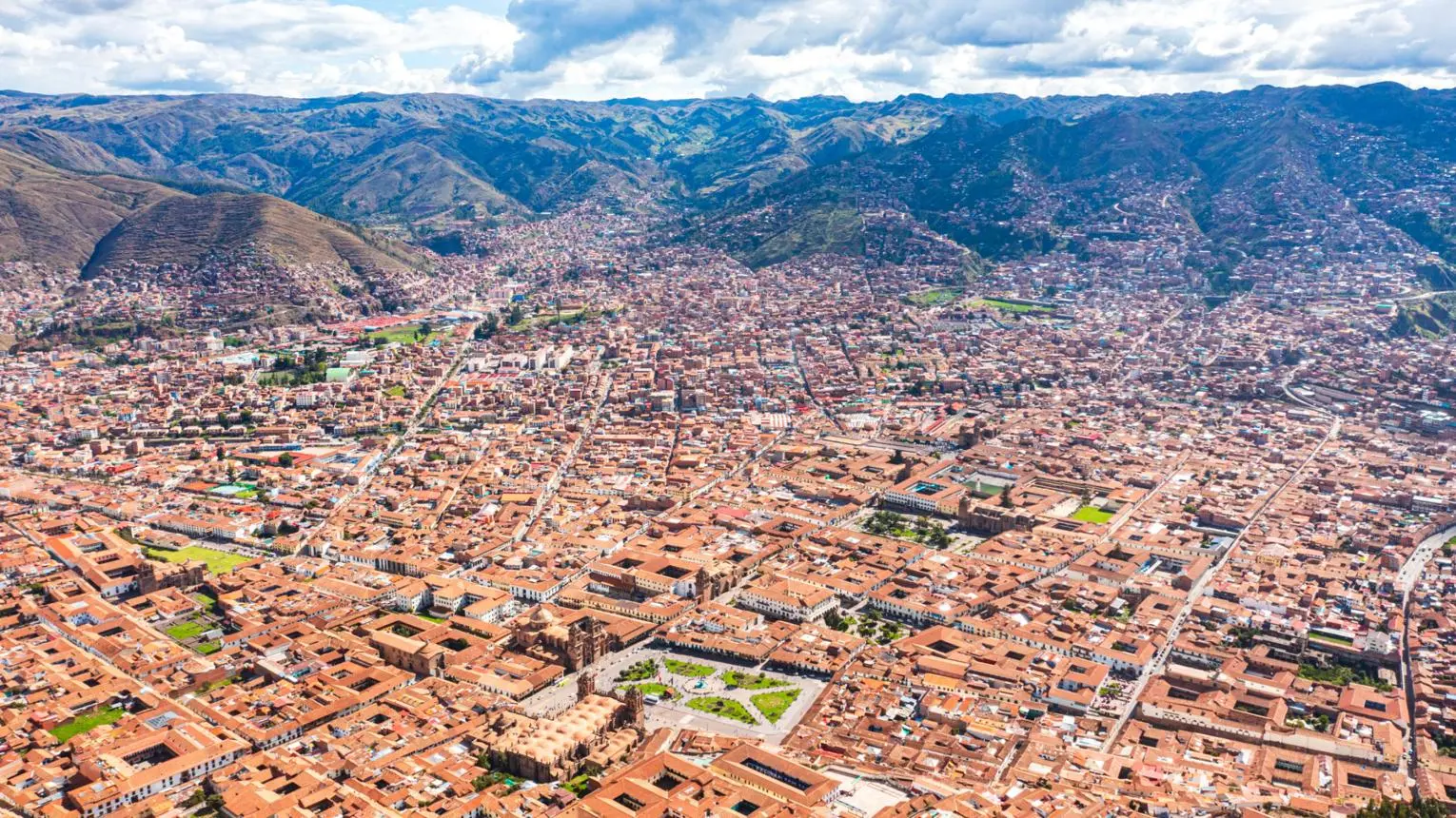
Cusco is one of Peru’s most popular travel destinations, but its high elevation can be challenging for visitors arriving from cities closer to sea level. Located approximately 3,399 meters (11,152 feet) above sea level, Cusco has lower atmospheric pressure, meaning your body receives less available oxygen with each breath.
This can lead to altitude sickness in Cusco, commonly known in Peru as soroche. Symptoms may include headaches, dizziness, nausea, and fatigue, especially during the first hours or days after arrival.
The good news is that there are several ways to reduce your risk and enjoy your trip more comfortably. In this guide, you’ll learn how to recognize altitude sickness, what to do if symptoms develop, which remedies have scientific support, and how to plan your first days in Cusco before visiting the Sacred Valley, Machu Picchu, or Rainbow Mountain.
Important: This article is for informational purposes only and does not replace professional medical advice. If you have a heart or lung condition, sleep apnea, are pregnant, or are traveling with young children, consult a healthcare professional before traveling to high altitudes.
What Is Altitude Sickness or Soroche?
Altitude sickness, medically known as acute mountain sickness (AMS), is a condition that can develop when someone ascends rapidly to a high elevation without allowing enough time for their body to adjust.
As altitude increases, atmospheric pressure decreases. Although the percentage of oxygen in the air remains approximately the same, each breath provides less available oxygen to your body.
The risk increases particularly when sleeping above 2,500 meters (8,202 feet), although some people may experience symptoms at lower elevations.
Your body needs time to adapt to these conditions through a process called acclimatization. During the first few days, your breathing rate increases and other physiological changes help your body adjust to the reduced availability of oxygen.
How Long Does It Take to Acclimatize?
Acclimatization begins within the first hours of exposure, but the first 3 to 5 days are particularly important.
For many people, mild symptoms improve within the first 24 to 72 hours, provided they do not continue ascending and no complications develop.
However, acclimatization varies from person to person. There is no exact number of hours that guarantees everyone will be fully adapted to the altitude.
Altitude Sickness Symptoms in Cusco
Symptoms can develop between 2 and 12 hours after arriving at a high elevation. Sometimes, they begin during the first night or the following morning.
The most common symptoms include:
- Headache: One of the characteristic symptoms of acute mountain sickness.
- Nausea: An upset stomach that may sometimes lead to vomiting.
- Dizziness: A feeling of lightheadedness or unsteadiness.
- Fatigue: Feeling unusually tired, even when walking short distances.
- Loss of appetite: Reduced desire to eat.
- Difficulty sleeping: Interrupted or poor-quality sleep.
It is important to distinguish between normal responses to high altitude and acute mountain sickness. For example, becoming short of breath while walking uphill can happen to people who have just arrived in Cusco. However, difficulty breathing while sitting or lying down is a warning sign.
Not everyone experiences the same symptoms, and altitude sickness cannot be predicted based on age or physical fitness alone.
Warning Signs: When Is Altitude Sickness Dangerous?
Most cases are mild, but altitude sickness can progress into serious conditions such as high-altitude cerebral edema (HACE) or high-altitude pulmonary edema (HAPE).
Recognizing the warning signs is essential.
Possible Signs of High-Altitude Cerebral Edema
- Confusion or unusual behavior.
- Difficulty walking in a straight line or maintaining balance.
- Severe drowsiness or altered consciousness.
- Severe headache accompanied by worsening overall symptoms.
Possible Signs of High-Altitude Pulmonary Edema
- Difficulty breathing even at rest.
- Persistent or worsening cough.
- Chest tightness or congestion.
- Unusually rapid breathing or a feeling of suffocation.
- Coughing up frothy or bloody sputum.
What should you do? If any of these warning signs appear, seek emergency medical attention and arrange an immediate descent to a lower altitude, accompanied by someone who can assist you and medical personnel whenever possible.
Do not wait for the symptoms to disappear on their own. Supplemental oxygen may be necessary, but it should never delay descent when descent is indicated.
If you experience mild symptoms, do not continue ascending to sleep at a higher elevation. If your symptoms worsen despite rest and initial measures, seek medical evaluation and possibly descend.
How High Are Cusco, the Sacred Valley, and Machu Picchu?
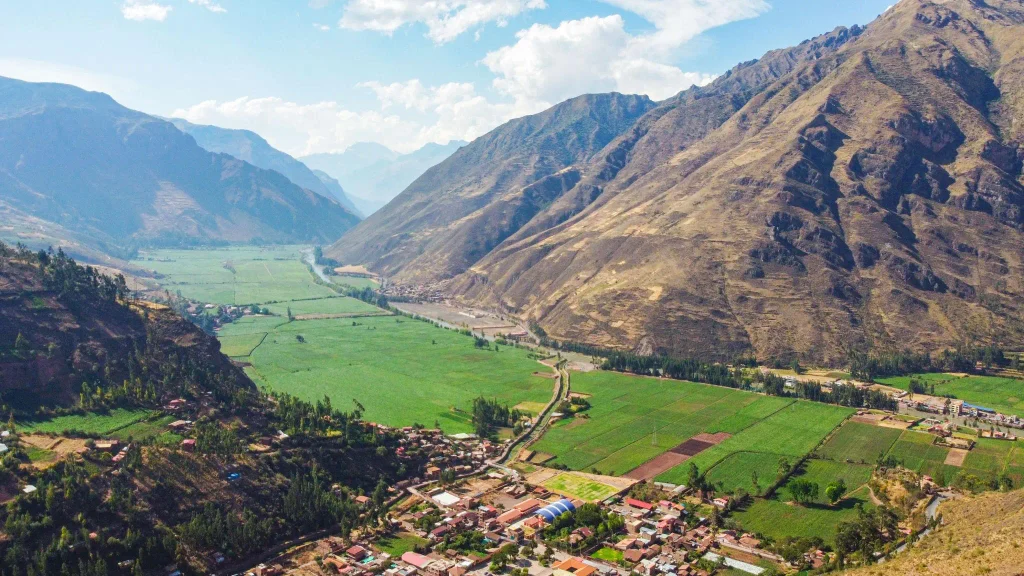
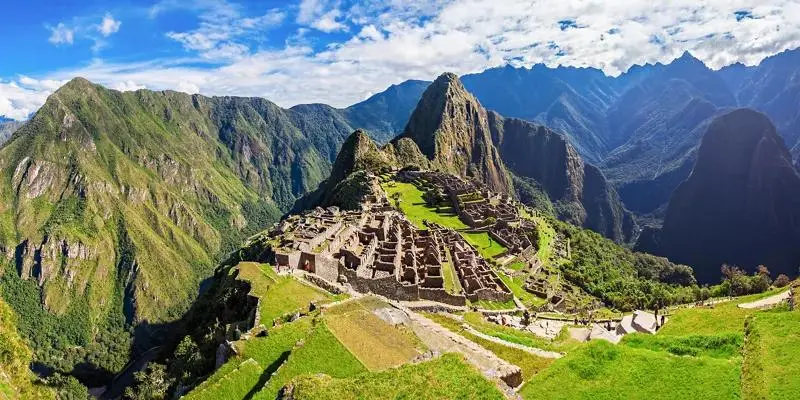
Knowing the elevation of the places you plan to visit can help you organize your itinerary and avoid sudden altitude changes.
| Destination | Approximate Elevation |
|---|---|
| Cusco city | 3,399 m (11,152 ft) |
| Chinchero | 3,762 m (12,343 ft) |
| Maras | 3,300 m (10,827 ft) |
| Pisac town | 2,972 m (9,751 ft) |
| Urubamba | 2,871 m (9,419 ft) |
| Ollantaytambo | 2,792 m (9,160 ft) |
| Aguas Calientes | 2,040 m (6,693 ft) |
| Machu Picchu citadel | 2,430 m (7,972 ft) |
Elevations are approximate and may vary depending on the exact location within each town or attraction.
There are three important things to keep in mind:
- The Sacred Valley is lower than Cusco: Urubamba and Ollantaytambo can be good alternatives for spending your first nights at a lower elevation. However, some transfers and excursions may cross higher mountain passes.
- Chinchero is higher than Cusco: Although it is part of the Sacred Valley tourist circuit, it is not a lower-altitude destination.
- Machu Picchu is lower than Cusco: The citadel sits at approximately 2,430 meters (7,972 feet), so many visitors tolerate its elevation better than higher-altitude destinations around Cusco.
How to Prevent Altitude Sickness in Cusco
There is no method that guarantees complete protection against altitude sickness, but you can significantly reduce your risk by planning your trip carefully.
1. Acclimatize Gradually
This is the most important preventive measure.
If you are arriving from a low-altitude city, avoid scheduling strenuous excursions immediately after landing.
Whenever your itinerary allows, consider spending your first nights in a lower-altitude town such as Urubamba or Ollantaytambo.
If you decide to stay directly in Cusco, reserve your first 24 to 48 hours for relaxed activities.
2. Rest During Your First Few Days
Avoid strenuous hikes, climbing numerous stairs, or intense exercise during your first 48 hours.
You can take a relaxed walk around the Plaza de Armas, visit restaurants, or explore nearby attractions, as long as you feel well.
If you develop symptoms consistent with altitude sickness, do not continue with activities that involve ascending to higher elevations.
3. Stay Properly Hydrated
Drink water regularly and avoid becoming dehydrated.
However, drinking excessive amounts of water does not prevent altitude sickness and can be harmful. The recommendation is to maintain normal hydration according to your thirst and activity level.
4. Avoid Alcohol
It is advisable to avoid alcoholic beverages during your first 48 hours at high altitude.
Alcohol can worsen sleep quality and contribute to dehydration, making it harder to recognize certain symptoms.
5. Eat Light Meals
During your first few hours, you may prefer soups, fruits, vegetables, and foods that are easy for you to tolerate.
You do not need a special diet, but avoid overeating if you experience nausea or stomach discomfort.
6. Do Not Rely on Your Fitness Level
Being physically fit does not make you immune to altitude sickness.
Even experienced athletes can develop altitude sickness if they ascend too quickly. Acclimatization mainly depends on previous exposure to altitude, the speed of ascent, and individual susceptibility.
Altitude Sickness Remedies: What Actually Works?
In Cusco, you will find several products and traditional remedies commonly used to relieve soroche symptoms. However, they do not all have the same level of scientific support.
It is important to distinguish between products that may relieve certain symptoms and measures that actually help prevent or treat acute mountain sickness.
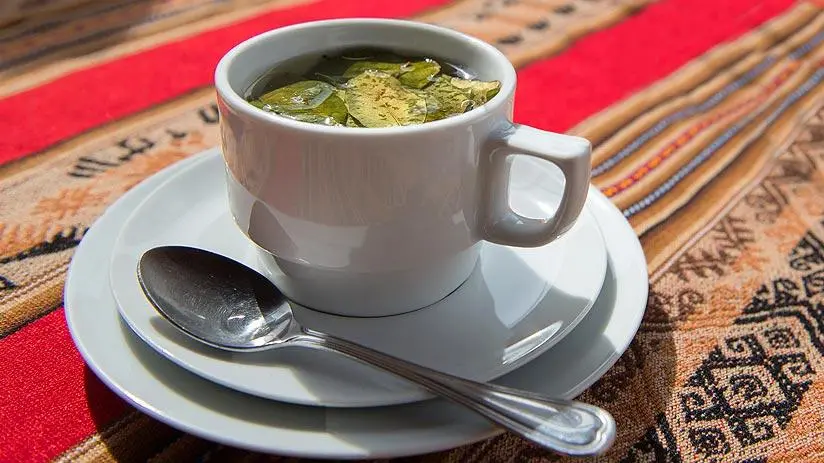
1. Coca Tea
Coca tea is a traditional Andean beverage offered in many hotels, restaurants, and tourist establishments throughout Cusco.
Many visitors drink it during their first few days to help relieve general discomfort.
However, there is insufficient scientific evidence to confirm that coca tea prevents or cures acute mountain sickness.
You can enjoy it as a traditional local beverage, but you should not consider it a medical treatment or use it as a substitute for proper acclimatization.
2. Sorojchi Pills
Sorojchi Pills are a commercial product sold in Peru to relieve discomfort associated with altitude sickness.
Their formulation includes:
- Acetylsalicylic acid (aspirin).
- Salophen.
- Caffeine.
They may help relieve certain symptoms, such as headaches, but they do not accelerate acclimatization or prevent serious altitude-related complications.
Because they contain salicylates, they are not suitable for everyone. People with aspirin allergies, a history of stomach ulcers or gastrointestinal bleeding, those taking anticoagulants, and people with other contraindications should take particular care.
Consult a healthcare professional before using this product.
3. Acetazolamide (Diamox)
Acetazolamide is one of the best-studied medications for preventing acute mountain sickness.
It helps accelerate the acclimatization process and can reduce the likelihood of developing symptoms when there is a risk of rapid ascent.
It is generally recommended to start taking it before ascending, depending on your medical evaluation and travel itinerary.
Not everyone needs this medication. A healthcare professional should determine the appropriate dose and duration, especially if you have existing medical conditions, kidney problems, or a history of allergic reactions to medications.
Do not self-medicate or take preventive medication simply because other travelers use it.
4. Acetaminophen and Ibuprofen
Pain relievers can help reduce headaches associated with altitude sickness.
Commonly used medications include acetaminophen (paracetamol) and ibuprofen.
However, relieving a headache does not mean your body has fully acclimatized. If you experience other symptoms, such as nausea, dizziness, or significant fatigue, pay attention to how they develop.
Ask a healthcare professional which medication is appropriate for you, especially if you have stomach, kidney, or liver problems or take other medications.
5. Supplemental Oxygen
Supplemental oxygen can relieve altitude sickness symptoms and is an important tool in the medical treatment of moderate or severe cases.
Some hotels and tourist establishments in Cusco offer oxygen as a support service.
However, oxygen does not replace acclimatization and should never be used as an excuse to continue ascending when concerning symptoms are present.
Small portable oxygen cans do not provide enough oxygen to treat altitude sickness on a sustained basis.
Common Myths About Altitude Sickness in Cusco
There are many misconceptions about soroche that can lead travelers to make mistakes.
Here are some of the most common myths:
Myth 1: Altitude sickness only affects older people.
False. It can affect people of different ages, including young adults and athletes.
Myth 2: If I exercise regularly, I won’t get altitude sickness.
False. Physical fitness does not guarantee better tolerance to high altitude.
Myth 3: Coca tea completely prevents altitude sickness.
False. It is a traditional Andean beverage, but there is insufficient scientific evidence to consider it an effective preventive treatment.
Myth 4: Drinking lots of water prevents altitude sickness.
False. Maintaining proper hydration is important, but drinking excessive amounts of water does not prevent the condition.
Myth 5: If I feel fine when I arrive in Cusco, I am already acclimatized.
False. Symptoms can develop several hours after arrival, especially during the first night.
Myth 6: If I take a pill, I can do any high-altitude excursion.
False. Medication does not replace rest, gradual acclimatization, or descent when necessary.
Recommended Itinerary for Acclimatizing Before Your Excursions
One of the best ways to enjoy Cusco is to organize your activities according to their elevation and physical difficulty.
Below are two suggested options. These are travel-planning examples, not medical protocols that guarantee you will avoid altitude sickness.
Option A: Start in the Sacred Valley
This option may be convenient for travelers who want to spend their first nights at a lower elevation than Cusco.
Day 1: Arrive in Cusco and Transfer to the Sacred Valley
- Arrive at Cusco Airport.
- Transfer to Urubamba or Ollantaytambo.
- Rest at your accommodation.
- Avoid strenuous activities.
Day 2: Enjoy a Relaxed Sacred Valley Tour
- Visit Ollantaytambo or Pisac.
- Enjoy relaxed sightseeing and take breaks.
- Spend the night in the Sacred Valley.
Day 3: Visit Machu Picchu
- Take the train to Aguas Calientes.
- Visit the Machu Picchu citadel.
- Return according to your booked itinerary.
Day 4: Return to Cusco
- Transfer back to Cusco.
- Enjoy a relaxed walk around the historic center.
- Take some time to rest.
Day 5 Onward: Higher-Altitude Excursions
If you feel well and have no altitude sickness symptoms, you can consider excursions such as Humantay Lake or Rainbow Mountain, keeping in mind that both involve ascending to considerably higher elevations.
Option B: Start Directly in Cusco
If your flight arrives directly in Cusco and you prefer to stay in the city, you can organize your trip as follows:
Day 1: Arrival and Rest
- Transfer to your hotel.
- Rest and eat light meals.
- Take a very relaxed walk if you feel well.
Day 2: Explore Cusco City
- Plaza de Armas.
- Cusco Cathedral.
- Qorikancha.
- Other nearby attractions without strenuous physical activity.
Day 3: Sacred Valley
- Visit Pisac.
- Explore Urubamba.
- Visit Ollantaytambo.
Day 4: Machu Picchu
- Travel to Aguas Calientes.
- Visit the Inca citadel.
Day 5 Onward: Higher-Altitude Excursions
Consider mountain excursions only if you are feeling well and no longer experiencing symptoms. If you still feel unwell, postpone the ascent and seek medical advice when appropriate.
An important recommendation: No tourist itinerary can guarantee complete acclimatization within four or five days. If you have a history of moderate or severe altitude sickness, consult your doctor before planning high-altitude activities.
What Should You Pack in Your Travel First-Aid Kit for Cusco?
Before traveling, prepare a small first-aid kit with items you may need during your stay.
We recommend considering:
- Your regular prescription medications.
- Pain relievers that are appropriate for you, following medical advice.
- Preventive altitude medication, only if prescribed by a healthcare professional.
- Oral rehydration salts for situations in which they are actually needed.
- Sunscreen.
- Lip balm.
- Drinking water to maintain proper hydration.
- Medical documentation and information about your medications, if applicable.
If you are traveling with children, older adults, or people with chronic medical conditions, consult a doctor before preparing their medication.
Frequently Asked Questions About Altitude Sickness in Cusco
How Long Does Altitude Sickness Last in Cusco?
Mild symptoms often improve within 12 to 48 hours if you remain at the same elevation and do not continue ascending. In some cases, symptoms can last between one and three days. If they worsen or do not improve, seek medical attention.
When Do Soroche Symptoms Usually Appear?
Symptoms generally develop between 2 and 12 hours after arriving at a high elevation. Many people begin experiencing discomfort during the night or the following morning.
Can You Get Altitude Sickness in Machu Picchu?
The risk is generally lower than in Cusco because Machu Picchu is located at approximately 2,430 meters (7,972 feet), compared with Cusco’s 3,399 meters (11,152 feet). However, people who are susceptible may still experience symptoms, especially after ascending rapidly.
Is It Better to Acclimatize in Cusco or the Sacred Valley?
Initially staying in Urubamba or Ollantaytambo can be a good option because both towns are at a lower elevation than Cusco. However, your transfer route may cross higher-altitude areas, and each person’s response to altitude is different.
Does Coca Tea Cure Altitude Sickness?
No. Coca tea is a traditional Andean beverage, but there is insufficient scientific evidence to demonstrate that it cures or prevents acute mountain sickness. It should never replace proper acclimatization or medical treatment.
Do I Need to Take Pills Before Traveling to Cusco?
Not necessarily. Acetazolamide may be recommended for travelers with certain risk factors, particularly when a rapid ascent is planned. The decision should be made with a healthcare professional before traveling.
Can Children Get Altitude Sickness?
Yes. Children can develop acute mountain sickness just like adults. In younger children, warning signs may include loss of appetite, irritability, and behavioral changes. It is advisable to consult a pediatrician before traveling to high altitudes.
Can I Drink Alcohol on My First Day in Cusco?
It is best to avoid alcohol during your first 48 hours. Alcohol can worsen sleep quality and make it harder to identify certain symptoms.
What Should I Do If I Feel Sick After Arriving in Cusco?
Stop strenuous activities, rest, maintain proper hydration, and do not continue ascending. If your symptoms worsen, seek medical attention. If you experience shortness of breath at rest, confusion, or difficulty walking, you need emergency medical attention and immediate descent.
Conclusion: Enjoy Cusco Without Rushing Your Acclimatization
Altitude sickness in Cusco is a common concern among travelers arriving from low-altitude cities. Although not everyone experiences it, understanding its symptoms and taking preventive measures can help you enjoy your trip more comfortably.
Remember three essential recommendations: acclimatize gradually, avoid strenuous activities during your first few days, and never ignore warning signs.
If you are planning a trip to Cusco, Machu Picchu, or the high-altitude destinations of the Andes, Machupicchu Luna Tours can help you organize your itinerary based on elevation, travel times, and the difficulty of each excursion.
Contact us and share your travel dates. We will help you plan an unforgettable experience in Cusco and Machu Picchu with a carefully organized itinerary.