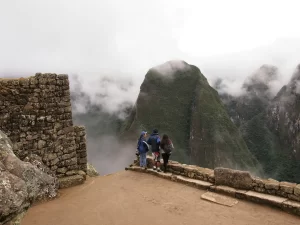
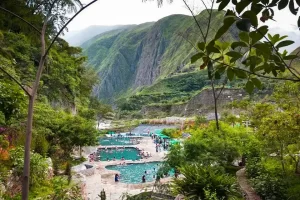
The Salkantay Trek to Machu Picchu is one of the most popular multi-day hiking routes in Cusco, Peru. Along the way, you can experience dramatic mountain scenery, turquoise glacial lakes, high-altitude landscapes and lush cloud forests before reaching Machu Picchu.
Unlike the classic Inca Trail, the Salkantay route does not require the same specific permit system for hiking along the regulated archaeological trail network. However, you still need to plan your transportation, accommodation, hiking stages and entrance ticket to Machu Picchu.
In this guide, you will learn about the 4- and 5-day Salkantay Trek itineraries, altitude, difficulty, costs, the best time to visit and what to pack for your trip.
What Is the Salkantay Trek?
The Salkantay Trek is a multi-day hiking route through part of the Vilcabamba mountain range in the Cusco region of Peru. The route takes its name from Mount Salkantay, an impressive Andean peak that rises to approximately 6,271 meters (20,574 feet) above sea level.
The classic route to Machu Picchu usually begins around Mollepata and Soraypampa, crosses the Salkantay Pass and continues toward lower elevations, where the landscape gradually changes from the high Andes to warmer, greener cloud forest and subtropical areas.
One of the main attractions often included in the itinerary is Humantay Lake, known for its turquoise-colored water and spectacular mountain setting.
It is important to distinguish between the mountain and the pass: Mount Salkantay reaches approximately 6,271 m (20,574 ft), while the Salkantay Pass, which hikers cross on the classic trek, is approximately 4,630 m (15,190 ft) above sea level. Reaching the summit of Mount Salkantay is not part of the standard trekking route to Machu Picchu.
Salkantay Trek at a Glance
- Typical duration: 4 or 5 days, depending on the itinerary.
- Location: Cusco region, Peru.
- Highest point on the classic route: Salkantay Pass, approximately 4,630 m (15,190 ft).
- Difficulty: Moderate to challenging, depending on the route and your fitness level.
- Main attractions: Humantay Lake, Mount Salkantay, Andean landscapes and cloud forest.
- Final destination: Machu Picchu, usually after reaching Aguas Calientes.
- Best time to go: The relatively dry season, especially May through September.
- Machu Picchu entrance ticket: Must be included in your tour package or purchased separately.
Distances, overnight stops and daily activities vary depending on the itinerary. Always review the complete schedule before booking.
5-Day Salkantay Trek Itinerary
The following itinerary describes a common five-day structure. It is not a fixed schedule for every tour operator: daily stages, campsites and transportation arrangements may differ.
Day 1: Cusco, Soraypampa and Humantay Lake
Your adventure usually begins with an early transfer from Cusco toward Mollepata and the starting point of the hike.
Depending on your tour package, you continue toward Soraypampa and hike to Humantay Lake. The trail to the lake includes a significant uphill section, so it is important to walk at a comfortable pace and take the altitude into account.
After visiting the lake, you head to your designated campsite or accommodation for the night.
Humantay Lake is located at approximately 4,200–4,250 meters (13,780–13,940 feet) above sea level, depending on the reference point. Conditions can change quickly, and nighttime temperatures at high-altitude campsites can drop well below freezing.
Day 2: Salkantay Pass and the Descent into the Cloud Forest
This is usually one of the most demanding days of the trek.
The hike begins with an ascent toward Salkantay Pass, located at approximately 4,630 meters (15,190 feet) above sea level. From this area, you can enjoy dramatic high-mountain scenery and, when visibility allows, views of Mount Salkantay.
After reaching the pass, you begin a long descent toward lower elevations. The landscape gradually changes from rugged high-altitude terrain to warmer, more humid environments with increasing vegetation.
The duration and distance of this stage depend on your starting campsite, overnight destination and chosen route. Do not underestimate the physical effort required to hike for several hours at high altitude.
Day 3: Hiking Through the Cloud Forest
On the classic five-day itinerary, this stage usually continues the descent toward the cloud forest and subtropical areas.
Along the trail, you may encounter agricultural land, small rural communities and vegetation that contrasts sharply with the high Andes.
Some tour packages include additional activities or visits related to local coffee and fruit production. These experiences are not included in every itinerary.
Conditions are generally warmer and more humid than at Salkantay Pass, although rain and sudden weather changes are still possible.
Day 4: Hiking Toward Hidroelectrica and Aguas Calientes
The fourth day varies considerably depending on your tour package.
Some itineraries include a visit to Llactapata, an archaeological site that can offer views toward the Machu Picchu area when conditions are favorable. Other itineraries prioritize travel toward Santa Teresa and the Hidroelectrica area.
From Hidroelectrica, travelers usually continue on foot toward Aguas Calientes, also known as Machu Picchu Pueblo, or take the train if the service is included and available.
Before booking, confirm whether your itinerary includes the walk from Hidroelectrica, train transportation, accommodation and meals for this stage.
Day 5: Visiting Machu Picchu and Returning to Cusco
The final day is dedicated to visiting Machu Picchu.
From Aguas Calientes, you can reach the entrance by shuttle bus or hike uphill using the designated walking route. Your choice depends on your fitness level, available time and tour arrangements.
Visitors must follow the circuit and route specified on their entrance ticket. Not all tickets allow access to the same areas, so choose the appropriate route when purchasing your ticket.
After your visit, your return to Cusco is generally arranged by train and road transportation, depending on the package you booked.
Important: Confirm whether your package includes the Machu Picchu entrance ticket, shuttle bus, return train and ground transportation to Cusco. These services are not included in every tour.
What Is the 4-Day Salkantay Trek Like?
The 4-day Salkantay Trek is an alternative for travelers with limited time. It typically reorganizes the daily stages and reduces some walking sections or time spent in certain areas.
The main difference is that the hiking effort is concentrated into fewer days. Depending on the itinerary, the trek may include Salkantay Pass, the descent toward the cloud forest and travel to Aguas Calientes before visiting Machu Picchu.
Before choosing this option, check:
- How many hours you will hike each day.
- Which sections are completed on foot and which involve transportation.
- Whether Humantay Lake is included.
- Whether the Machu Picchu entrance ticket is included.
- What type of accommodation is provided.
- How your return to Cusco is arranged.
A shorter itinerary is not necessarily easier. Some four-day tours require longer or more demanding daily stages than the five-day version.
How Difficult Is the Salkantay Trek?
The Salkantay Trek is generally considered a moderate-to-challenging hiking route, although the experience can vary significantly from one traveler to another.
The combination of altitude, long ascents, descents, several-hour hiking days and changing weather conditions makes the route physically demanding.
Here are the main factors to consider:
1. Altitude. Salkantay Pass is approximately 4,630 m (15,190 ft) above sea level. At this elevation, reduced oxygen availability can cause altitude sickness, even in people who exercise regularly.
2. Long hiking days. Some stages require several hours of walking, especially over uneven terrain and steep slopes.
3. Descents. Prolonged downhill hiking can place considerable strain on your knees and ankles.
4. Changing weather. You may experience cold and windy conditions in the mountains followed by warm, humid weather in the cloud forest.
5. Camping conditions. Sleeping at high altitude can be challenging if you are not prepared for cold temperatures or have difficulty resting.
You do not need to be a professional athlete, but it helps to build cardiovascular endurance, practice hiking uphill and downhill, and use appropriate footwear before your trip.
The difficulty also depends on acclimatization, your health and your previous hiking experience.
How to Acclimatize Before the Salkantay Trek
Acclimatization is essential for a route that reaches elevations above 4,600 meters (15,000 feet).
If you are traveling from a low-altitude location, try to arrive in Cusco several days before starting the trek. Whenever possible, spend two to three initial nights allowing your body to adjust before beginning strenuous hiking, while following medical advice appropriate to your circumstances.
Keep these recommendations in mind:
- Avoid strenuous exercise and alcohol during your first days at altitude.
- Increase your physical activity gradually.
- Rest well and maintain adequate hydration.
- Do not begin a demanding hike if you are experiencing symptoms of altitude sickness.
- If you have relevant medical conditions or concerns about your ability to tolerate altitude, consult a healthcare professional before traveling.
Acclimatization reduces risk but does not guarantee that you will avoid altitude sickness. Being physically fit does not eliminate this risk either.
Headache, nausea, dizziness and unusual fatigue may be signs of altitude sickness. If symptoms worsen, do not continue ascending. Severe shortness of breath at rest, confusion or difficulty walking normally require urgent medical attention and assisted descent when appropriate.
For further medical guidance, consult the Centers for Disease Control and Prevention (CDC) recommendations for travelers visiting high-altitude destinations.
How Much Does the Salkantay Trek Cost?
The cost of the Salkantay Trek depends on the duration, group size, accommodation, included services and time of year.
For this reason, comparing two tours based only on the advertised price can be misleading. A cheaper package may exclude expenses that another operator includes from the beginning.
The main factors affecting the price are:
- Duration: Four or five days and the associated accommodation costs.
- Service type: Shared group or private tour.
- Accommodation: Campsites, mountain lodges, domes or hotels.
- Meals: The number of included breakfasts, lunches, dinners and snacks.
- Transportation: Transfers to the trailhead, trains, shuttle buses and return transportation.
- Entrance tickets: Machu Picchu and other attractions specified in the itinerary.
- Additional services: Sleeping bag and trekking pole rentals, equipment and optional activities.
What Is Usually Included in a Salkantay Trek Package?
Depending on the operator, a package may include:
- Transportation from Cusco to the starting point.
- A professional guide for the specified hiking stages.
- Meals during the trek.
- Campsites or other accommodation.
- Logistical support and luggage transportation, when specified.
- Machu Picchu entrance ticket, if explicitly included.
- Train, shuttle bus and return transportation, depending on the package.
What Might Cost Extra?
Check whether you need to pay separately for:
- Sleeping bag and trekking poles.
- Drinks, snacks and meals not included in the package.
- Optional attractions, such as Cocalmayo hot springs.
- The shuttle bus between Aguas Calientes and Machu Picchu.
- Return train tickets or ground transportation.
- Tips, travel insurance and personal expenses.
Want to know the actual cost for your travel dates? Request a detailed quote for the 4- or 5-day Salkantay Trek and compare the included services before booking.
Prices should be confirmed directly with the tour operator for your chosen dates. They can change, and there is no single fixed price for every itinerary or service level.
What Is the Best Time to Do the Salkantay Trek?
The Cusco region generally experiences a relatively dry season and a wetter season. The transition between them does not occur in exactly the same way every year.
Dry Season: May to September
These months generally offer more favorable trekking conditions, with less frequent rainfall and better chances of enjoying clear mountain views.
June, July and August are popular travel months, so demand for tourism services may be higher.
Even during the dry season, nighttime temperatures at high-altitude campsites can be very cold. Wind, occasional rain and sudden changes in weather are still possible.
Shoulder Months: April and October
These months can bring a mixture of sunny days, rain and cloudy conditions.
They may be worth considering if your travel dates are flexible, but they do not guarantee fewer visitors or better weather every year.
Rainy Season: Approximately November to March
Rainfall generally becomes more frequent during these months.
Trails may become slippery, visibility can decrease, and weather conditions may affect transportation and hiking arrangements. In certain circumstances, authorities or tour operators may modify or suspend activities for safety reasons.
This does not mean every departure is impossible, but it is especially important to check local conditions and cancellation policies before booking.
Recommendation: Choose your travel dates based on both the weather and your availability, and confirm the latest trail conditions shortly before departure.
What to Pack for the Salkantay Trek
Your equipment should match the expected temperatures, rainfall and accommodation arrangements.
Clothing and Weather Protection
- Thermal base layers for high-altitude stages.
- A fleece or warm mid-layer.
- A waterproof and windproof jacket.
- Comfortable hiking trousers.
- A warm hat, gloves and sun hat.
- A rain poncho and waterproof backpack cover.
Footwear and Accessories
- Well-fitting hiking boots or trail shoes with good grip, broken in before your trip.
- Appropriate hiking socks.
- Trekking poles, if you are comfortable using them.
- A headlamp with charged batteries.
- A comfortable backpack and protective cover.
Personal Protection
- Sunscreen and UV-protective sunglasses.
- Insect repellent for warmer sections.
- A reusable water bottle or hydration system.
- A personal first-aid kit and any prescribed medication.
- Hiking snacks.
- Your passport or other identification required for entry.
If you will be camping, ask whether a sleeping bag and insulated sleeping mat are included. If you need to bring your own sleeping bag, check that it is suitable for the expected temperatures.
You do not need to pack excessive amounts of clothing. Layering is generally more practical because it allows you to adapt to changing conditions throughout the route.
Salkantay Trek vs. Inca Trail vs. Inca Jungle
All three options combine adventure with a visit to Machu Picchu, but they offer different experiences.
Salkantay Trek: Best known for its high-mountain landscapes, Humantay Lake and the transition from the Andes to the cloud forest. It requires appropriate preparation and the ability to handle high altitude.
Classic Inca Trail: Particularly appealing to travelers who want to hike ancient Inca paths and visit archaeological sites along the route. Access is subject to specific permits, quotas and reservation procedures.
Inca Jungle: Combines hiking with adventure activities that may include cycling and other experiences, depending on the tour package. Check which activities are included and what safety requirements apply.
In general, choose Salkantay if you prioritize mountain scenery, the Inca Trail if you are particularly interested in Inca heritage along the route, and Inca Jungle if you prefer a more varied itinerary with adventure activities.
Difficulty does not depend on the route name alone. Compare the duration, elevation, daily distances and specific activities before deciding.
Machu Picchu Tickets: What You Need to Know
Completing the Salkantay Trek does not automatically grant access to Machu Picchu. Visiting the archaeological site requires a valid entrance ticket for the relevant date, time and route.
You can purchase tickets through the official Peruvian government platform:
Before paying, check:
- The entrance date and time.
- The circuit or route permitted by your ticket.
- Availability for your intended visit.
- Identification requirements and entry conditions.
- Whether the ticket is included in your tour package.
If you book through a tour operator, ask for written confirmation that the ticket is included and which circuit has been reserved.
Planning this part of your trip in advance is advisable, especially during periods of high demand. Do not assume that an entrance ticket will automatically be available for any date simply because you have booked a trekking package.
Common Mistakes to Avoid When Planning the Salkantay Trek
1. Arriving in Cusco and starting the trek immediately. Insufficient acclimatization can increase your risk of altitude sickness.
2. Underestimating Salkantay Pass. Reaching approximately 4,630 m (15,190 ft) requires considerable effort, even for active travelers.
3. Choosing a tour based only on price. Check accommodation, meals, transportation and entrance tickets.
4. Forgetting warm clothing. High-altitude conditions can be cold even when the day begins with sunshine.
5. Ignoring the rainy season. Rain can affect the terrain, visibility and logistics.
6. Assuming the Machu Picchu entrance ticket is included. Verify exactly which services are listed in your booking.
7. Ignoring altitude sickness symptoms. Do not continue ascending if you feel unwell, and seek medical assistance when necessary.
8. Failing to check return transportation. Confirm train times and ground transfers, especially if you have a flight or another connection afterward.
Frequently Asked Questions About the Salkantay Trek
How many days does the Salkantay Trek take?
The most common options last four or five days. Other versions are available, but you should check their routes, daily distances and included services before booking.
How many kilometers is the Salkantay Trek?
The distance depends on the itinerary and any additional stops. Classic itineraries often involve approximately 60–75 km (37–47 miles) of hiking, although some variations may be shorter or longer. Ask your tour operator for the distance of each daily stage.
What is the highest point of the Salkantay Trek?
The highest point on the classic route is Salkantay Pass, at approximately 4,630 m (15,190 ft) above sea level. The summit of Mount Salkantay is much higher and is not part of the classic trek to Machu Picchu.
Is the Salkantay Trek harder than the Inca Trail?
It depends on the itinerary and your experience. Salkantay includes a high-altitude pass and demanding hiking stages, while the Inca Trail also features ascents, descents and many stone steps. There is no single comparison that applies to every traveler.
Do I need a special permit for the Salkantay Trek?
The hiking route is not subject to the same limited-permit system as the classic Inca Trail. However, you must follow the access rules applicable to the places you visit, arrange the necessary services and obtain a valid entrance ticket to Machu Picchu.
Can I do the Salkantay Trek independently?
It is possible to organize certain versions without booking a complete tour package, but you must carefully plan transportation, accommodation, meals, equipment and entrance tickets. You should also assess your experience with high-altitude hiking and check local conditions. A guide or tour operator can simplify the logistics.
What is the best month to do the Salkantay Trek?
May through September generally offers drier conditions, although the weather can change at any time. April and October are transition months, while rainfall generally increases between November and March.
Can beginners do the Salkantay Trek?
It depends on your fitness, acclimatization and chosen itinerary. If you have limited experience with long hikes, train in advance, select an appropriate route and discuss your experience with the tour operator before booking.
Does the Salkantay Trek include the Machu Picchu entrance ticket?
Not necessarily. Some packages include the ticket, while others charge separately. Also confirm the circuit, entrance time, shuttle bus and return transportation.
What happens if it rains during the Salkantay Trek?
Rain can make trails muddy, reduce visibility and affect access. Decisions should be based on actual conditions and guidance from the people responsible for the route. Check change and cancellation policies before booking.
Book Your Salkantay Trek to Machu Picchu
The Salkantay Trek is an excellent option for travelers who want to reach Machu Picchu through a multi-day adventure featuring dramatic landscapes, from the high Andes to the warmer and more humid parts of the region.
To choose the right option, compare the duration, physical demands, accommodation and included services. Allow time to acclimatize in Cusco, and arrange your Machu Picchu entrance ticket in advance.
At Machupicchu Luna Tours, you can enquire about 4- and 5-day Salkantay Trek options and request a quote based on your travel dates, preferred service level and travel plans.
Contact us on WhatsApp to review the itinerary, check current prices and confirm exactly what is included before booking your experience.