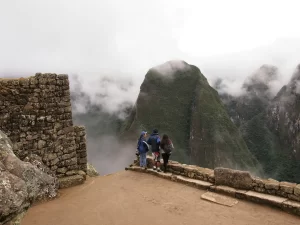
Santa Teresa is one of the main stops on the alternative route to Machu Picchu. Located in the province of La Convención, in the Cusco region, this warm-climate town combines hot springs, nature, adventure activities, and access to the Hidroelectrica route.
Although many travelers arrive in Santa Teresa only to continue toward Machu Picchu, staying overnight allows you to experience the destination itself and visit the Cocalmayo Hot Springs, one of the area’s main attractions.
In this guide, you will find what to do in Santa Teresa, how to get there from Cusco, how long to stay, where to sleep, and how to organize your connection to Machu Picchu.
Where is Santa Teresa and Why Visit It?
Santa Teresa is located in the province of La Convención, in the Cusco region of Peru, in a transition zone between the Andes and the high jungle.
The road from Cusco passes through Santa María and continues toward Santa Teresa before reaching the Hidroelectrica area. According to PromPeru’s tourism information, Santa Teresa is approximately 230 km from Cusco, and the road journey can take around 6 to 7 hours, depending on transportation and road conditions.
Its location gives Santa Teresa a landscape very different from the city of Cusco: abundant vegetation, a warmer climate, and access to nature and adventure activities.
It is also part of one of the alternative land routes used to reach Machu Picchu.
Is Santa Teresa Worth Visiting Before Machu Picchu?
Yes, especially if you want to combine Machu Picchu with a more relaxed experience in the high jungle of Cusco.
Santa Teresa is a good option for:
- Visiting the Cocalmayo Hot Springs.
- Resting after a trek.
- Taking part in adventure activities.
- Experiencing an area that is less urban and less tourist-oriented than Machu Picchu Pueblo.
- Continuing toward Hidroelectrica and walking to Machu Picchu Pueblo.
- Spending a night before or after visiting Machu Picchu.
However, there is an important distinction: Santa Teresa is not the most convenient place to stay if you have an early entrance time at Machu Picchu.
In that case, staying in Machu Picchu Pueblo, also known as Aguas Calientes, the night before is usually more practical.
How to Get to Santa Teresa from Cusco
The usual road route is:
Cusco → Santa María → Santa Teresa
From Cusco, the journey passes through different areas of the Sacred Valley and the province of La Convención before reaching Santa Teresa. Travel times can vary depending on the type of transportation, traffic, road conditions, and weather.
Option 1: Travel Directly from Cusco to Santa Teresa
Depending on the day and operator, there are ground transportation services connecting Cusco with Santa Teresa.
The journey usually takes around 6 to 7 hours, although the actual travel time can vary depending on road conditions.
This is generally the simplest option if your goal is to reach Santa Teresa directly.
Option 2: Cusco → Santa María → Santa Teresa
You can also divide the journey into two sections:
- Cusco → Santa María.
- Santa María → Santa Teresa.
The second section is usually completed by shared transportation or a shared taxi.
This option can be useful if you cannot find a direct service that fits your schedule.
How Long Does It Take to Travel from Cusco to Santa Teresa?
The road journey usually takes approximately 6 to 7 hours. However, this should not be considered a fixed travel time.
Rain, landslides, road works, traffic, and other conditions can significantly increase the duration of the trip.
What to Do in Santa Teresa
Visit the Cocalmayo Hot Springs
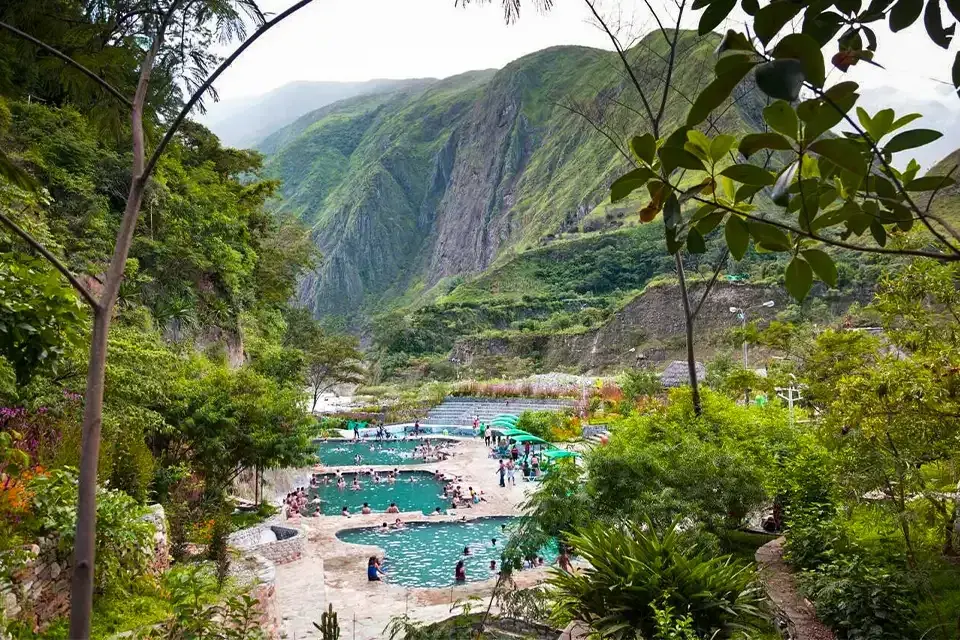
The Cocalmayo Hot Springs are Santa Teresa’s main tourist attraction.
They are located at approximately 1,500 meters above sea level, and the thermal waters have temperatures of approximately 38 to 44 °C, according to PromPeru’s tourism information.
The complex includes facilities such as showers, changing rooms, restrooms, a viewpoint, and areas for relaxing.
It is particularly appealing after a hike or a long journey.
How Much Does It Cost to Enter Cocalmayo?
Admission fees can change, so it is best to verify them before traveling.
The tourism information currently published by PromPeru lists the following rates:
- Domestic visitors: S/ 5.
- Foreign visitors: S/ 10.
The published opening hours are 7:00 a.m. to 6:00 p.m.
Because prices and opening hours for local tourist services may be updated, it is advisable to confirm the information locally before visiting.
How to Get from Santa Teresa to Cocalmayo
Cocalmayo is located a short distance from central Santa Teresa.
According to information from Peru’s Ministry of Foreign Trade and Tourism (Mincetur), Cocalmayo can be reached from Santa Teresa in approximately 10 minutes by vehicle.
There is also an ancient Inca path between Santa María and Cocalmayo, approximately 18 km long, passing through high-jungle landscapes and featuring signs, viewpoints, and tourist rest areas.
For a normal visit to the hot springs, you do not need to complete this entire hike.
What to Bring to Cocalmayo
- Swimsuit.
- Towel.
- Sandals.
- Sunscreen.
- Insect repellent.
- A bag for wet clothes.
- Cash in Peruvian soles.
Avoid bringing unnecessary valuables.
Take Part in Adventure Activities
Santa Teresa is also known for its adventure activities, particularly ziplining and other outdoor experiences.
The available activities can vary depending on the operator and current conditions. If you want to book an adventure activity, ask beforehand about:
- Duration.
- Safety equipment.
- Weight and age restrictions.
- Weather conditions.
- Departure and return points.
- Cancellation policies in case of rain.
Kayaking and other adventure experiences are also available in the Santa Teresa and Santa María area.
Hike Along the Inca Jungle Trail
One interesting experience in the area is the ancient route between Santa María and Cocalmayo.
Mincetur records this section as part of the ancient Inca road system and notes that it currently includes signs, viewpoints, and tourist rest areas.
The complete registered route is approximately 18 km long, so it should be considered a trekking activity rather than simply a short walk from Santa Teresa.
If you want to complete this hike, check the current trail conditions and local recommendations beforehand.
Explore the Area Around Santa Teresa
The district offers much more than hot springs.
The area is surrounded by mountains, high-jungle vegetation, rivers, and trails used for trekking and nature tourism.
Santa Teresa is also part of the broader network of routes connecting different attractions in the province of La Convención, including trails associated with Choquequirao.
For these types of excursions, it is better to have more time than a simple stop between Cusco and Machu Picchu.
Where to Stay in Santa Teresa
Santa Teresa has different types of accommodation, ranging from simple guesthouses to properties focused on nature tourism.
Rather than choosing only based on price, it is better to choose the location according to your itinerary.
If You Are Going to Cocalmayo
Look for accommodation with easy access to transportation toward the hot springs.
If You Are Going to Hidroelectrica the Next Day
Staying near central Santa Teresa and the areas where transportation to Hidroelectrica departs can be more convenient.
If You Are Looking for Peace and Quiet
There are also accommodations outside the town center, some surrounded by vegetation and offering a quieter atmosphere.
Accommodation availability and prices change depending on the season and demand. It is therefore better to check the rate for your specific dates and confirm which services are included.
Tip: if your priority is reaching Machu Picchu early, the location of your accommodation may be more important than a small difference in price.
Santa Teresa or Machu Picchu Pueblo: Where Should You Stay?
| Aspect | Santa Teresa | Machu Picchu Pueblo |
|---|---|---|
| Atmosphere | Quieter and more local | More tourist-oriented |
| Hot springs | Cocalmayo is nearby | Not the main attraction |
| Price | Generally more affordable | Wider range of accommodation and prices |
| Hidroelectrica | Located nearby | Reached from Hidroelectrica |
| Best for | Hot springs, adventure, and relaxation | Visiting Machu Picchu |
When Should You Stay in Santa Teresa?
Santa Teresa is a good option if you want to:
- Visit Cocalmayo.
- Take part in adventure activities.
- Save on accommodation.
- Rest after a trek.
- Continue toward Hidroelectrica afterward.
When Should You Stay in Machu Picchu Pueblo?
Staying in Machu Picchu Pueblo is better if you have an early entrance time at Machu Picchu and want to reduce the risk of transportation delays.
From Hidroelectrica, you can continue to Machu Picchu Pueblo on foot along the railway or use a train service, depending on availability and your reservation.
Santa Teresa to Machu Picchu via Hidroelectrica
One of the routes used by travelers reaching Machu Picchu this way is:
Santa Teresa → Hidroelectrica → Machu Picchu Pueblo
This route does not end at the Machu Picchu citadel. From Santa Teresa, you still need to travel to Hidroelectrica and then continue to Machu Picchu Pueblo.
Santa Teresa → Hidroelectrica
From Santa Teresa, you can continue to Hidroelectrica by road transportation.
According to PeruRail, this section can take approximately 40 minutes.
The actual travel time can vary depending on road conditions and available transportation.
Hidroelectrica → Machu Picchu Pueblo on Foot
From Hidroelectrica, you can walk along the route beside the railway toward Machu Picchu Pueblo.
PeruRail indicates an approximate walking time of 2 hours and 30 minutes.
This is a popular option among travelers looking to reduce transportation costs, but you should consider the heat, humidity, luggage, and available time.
Hidroelectrica → Machu Picchu Pueblo by Train
You can also continue from Hidroelectrica to Machu Picchu Pueblo by train.
This is a faster and more comfortable option, although it involves an additional cost and depends on available schedules and services.
Important: do not assume that transportation will be available at any time. Check the schedules before organizing your connection.
Recommended Itinerary from Santa Teresa to Machu Picchu
Day 1: Cusco → Santa Teresa → Cocalmayo
Leave Cusco early and travel toward Santa Teresa.
The road journey can take approximately 6 to 7 hours, although it may take longer if there are problems along the route.
After arriving, have lunch, check into your accommodation, and then travel to Cocalmayo.
After spending a few hours at the hot springs, return to Santa Teresa and rest.
Day 2: Santa Teresa → Hidroelectrica → Machu Picchu Pueblo
Have breakfast early and head toward Hidroelectrica.
From there, you can:
- Walk to Machu Picchu Pueblo.
- Take a train if you have a reservation.
The walk takes approximately 2 hours and 30 minutes.
Once in Machu Picchu Pueblo, you can spend the night there and visit Machu Picchu the following day.
Day 3: Machu Picchu
Spend the third day visiting the Historic Sanctuary of Machu Picchu according to the entry time and circuit indicated on your ticket.
After your visit, begin your return to Cusco according to your itinerary.
What Is the Best Time to Visit Santa Teresa?
Santa Teresa can be visited throughout the year, but weather conditions are especially important for road travel and outdoor activities.
Santa Teresa During the Dry Season
The dry-season months generally offer better conditions for hiking and outdoor activities.
For some adventure activities, PromPeru recommends the period from June to October.
However, these months also coincide with a period of high tourist demand in Cusco and Machu Picchu.
Santa Teresa During the Rainy Season
During the rainy months, there is a greater risk of:
- Landslides.
- Mudslides.
- Road blockages.
- Travel delays.
- Cancellations or changes to activities.
This does not mean that you cannot travel to Santa Teresa during the rainy season. It means you should allow more time for your transportation connections.
Heavy rainfall has caused disruptions in different areas of Santa Teresa, so during this period it is advisable to check road conditions before traveling.
What to Pack for Santa Teresa
Because of the area’s warm and humid climate, be prepared for high temperatures, rain, and walking.
Essentials
- Light clothing.
- An extra change of clothes.
- Swimsuit.
- Towel.
- Sandals.
- Comfortable walking shoes.
- Insect repellent.
- Sunscreen.
- Poncho or rain jacket.
- Water bottle.
- Cash in Peruvian soles.
- Passport.
- Machu Picchu ticket, if already booked.
If you are planning a long hike, bring suitable footwear and a small backpack.
Tips for Traveling to Santa Teresa
Allow Enough Time for Your Connections
Santa Teresa depends on a mountain road, and travel times can vary.
If you have an important Machu Picchu entry time the following day, avoid planning a tight connection.
Carry Cash in Peruvian Soles
Not every small business in Santa Teresa operates like an urban establishment with electronic payment options, so carrying cash is recommended.
Confirm Cocalmayo Opening Hours
Tourist service hours and admission fees can change. Confirm the current information before heading to the hot springs.
Check Road Conditions
The route between Santa María, Santa Teresa, and Hidroelectrica has undergone improvement works and can also be affected by rain, landslides, and other natural events.
Do Not Confuse Santa Teresa with Machu Picchu Pueblo
Santa Teresa and Machu Picchu Pueblo are different places. From Santa Teresa, you still need to travel to Hidroelectrica and then continue to Machu Picchu Pueblo.
Frequently Asked Questions About Santa Teresa and Machu Picchu
Where is Santa Teresa located?
Santa Teresa is located in the province of La Convención, in the Cusco region of Peru. It lies along the road connecting Santa María with Hidroelectrica and is one of the alternative access points to Machu Picchu.
How long does it take to travel from Cusco to Santa Teresa?
The road journey usually takes approximately 6 to 7 hours, although it can vary depending on transportation and road conditions.
How much does it cost to enter Cocalmayo?
Admission fees can change. The tourism information currently published by PromPeru lists S/ 5 for domestic visitors and S/ 10 for foreign visitors.
It is advisable to verify the current price before traveling.
How much do the Cocalmayo Hot Springs cost?
According to the admission fee currently published by PromPeru, entry costs S/ 5 for domestic visitors and S/ 10 for foreign visitors. Prices may be updated.
How much time do I need to visit Santa Teresa?
For visiting Cocalmayo and relaxing, one night can be enough.
If you also want to take part in adventure activities or hikes, staying two nights is more convenient.
Is it worth staying in Santa Teresa before Machu Picchu?
Yes, especially if you want to visit Cocalmayo or prefer a quieter alternative.
However, if you have an early entrance time at Machu Picchu, staying in Machu Picchu Pueblo is generally more convenient.
How do you get from Santa Teresa to Machu Picchu?
The usual connection is:
Santa Teresa → Hidroelectrica → Machu Picchu Pueblo.
From Hidroelectrica, you can continue on foot for approximately 2 hours and 30 minutes or take a train, depending on availability and your reservation.
Are there hot springs in Santa Teresa?
Yes. The Cocalmayo Hot Springs are the district’s main thermal complex and are located a short drive from Santa Teresa.
Can I visit Santa Teresa after Machu Picchu?
Yes. You can visit Machu Picchu first, return to Machu Picchu Pueblo, and then continue toward Hidroelectrica and Santa Teresa.
You can also use Santa Teresa as a place to rest after a trek.
Is it safe to travel to Santa Teresa?
Santa Teresa is an established tourist destination, but you should take into account the nature of the route and weather conditions.
During the rainy season, landslides, mudslides, and road disruptions can occur. For this reason, check road conditions before traveling and avoid tight transportation connections.
Is Santa Teresa close to Machu Picchu?
Santa Teresa is part of one of the alternative routes to Machu Picchu, but it is not located next to the citadel.
From Santa Teresa, you still need to travel to Hidroelectrica and then continue to Machu Picchu Pueblo.
Is Santa Teresa Worth Visiting?
Yes, especially if you want to experience more than just Machu Picchu.
Santa Teresa allows you to combine three different experiences: nature, hot springs, and adventure.
For many travelers, Cocalmayo is the main reason to stay overnight. For others, Santa Teresa works as a strategic stop before continuing to Hidroelectrica.
If you have limited time and your absolute priority is visiting Machu Picchu, it is probably better to spend the night in Machu Picchu Pueblo.
But if you have one or two extra days, Santa Teresa can turn the journey to Machu Picchu into part of the experience rather than simply a transfer.
If you are planning a trip to Machu Picchu and want to combine Santa Teresa, Cocalmayo, and the Hidroelectrica route, we can help you organize the journey according to your dates, tickets, and available transportation.